UNDERWATER CORAL AND SEABED CONSERVATION
1. The coral ecosystem significantly contributes to preserving the biodiversity of marine environment. The coral or coral reef ecosystem is a vibrant and complex marine environment built around coral species, primarily marine invertebrates. Coral reefs are often called the ‘rainforest of the sea’ due to their immense biodiversity, supporting thousands of fish species, invertebrates and marine plants.
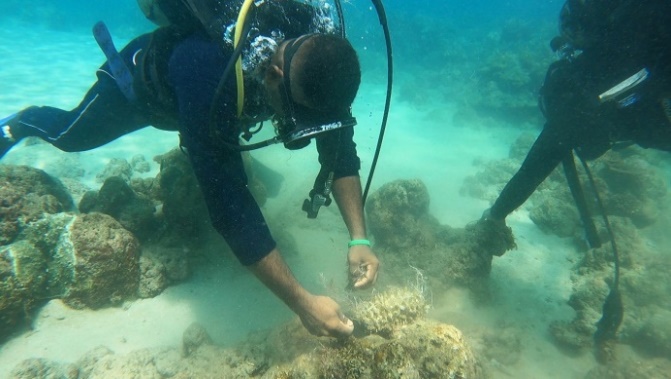
2. The Sri Lanka Navy Divers have initiated an effort to ease the damage to the treasured coral ecosystem caused by natural and human activities. Under that, the Navy Divers are expected to restore and conserve the coral ecosystem by creating artificial concrete structures, growing coral on them and providing breeding sites for fish and other marine life.
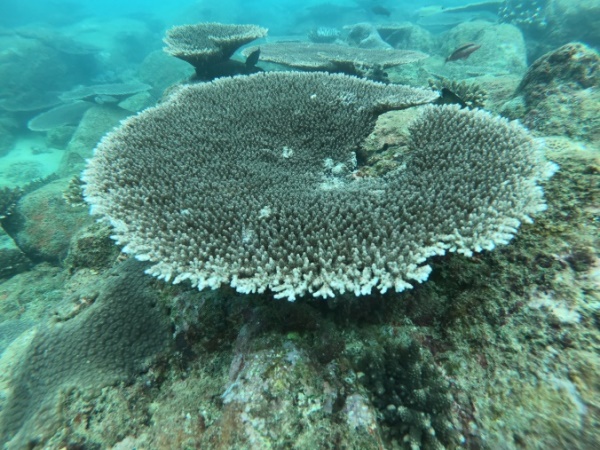
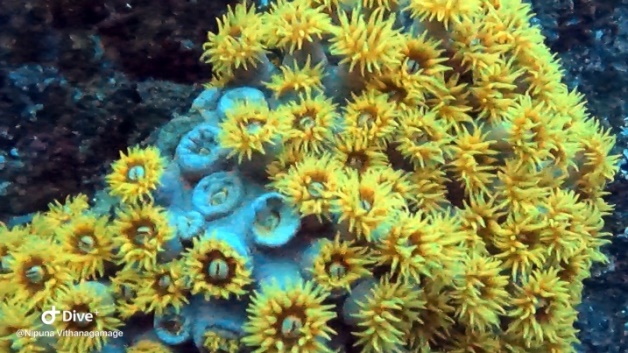
3. The Coral replantation and underwater marine conservation effort under the Green & Blue Domain Project at Naval Dockyard was started in 2018 to increase marine biodiversity and fish habitation by restoring and conserving the coral reefs around the sea of Naval Dockyard and preserving sunken shipwrecks. The shallow waters around the Naval Dockyard, especially the Sandy Bay & Coral Cove sites, are the identified naturally grown coral reefs and consist of vast varieties of coral such as "branch coral, table coral, soft coral, dome coral and other marine algae which are essential for the growth of corals. Furthermore, sufficient sunlight, clean and clear water and warm salt water are the ideal habitats for growing corals magnificently in these sea areas. In addition, many types of reef fish and other coral marine life populations can be seen.
4. The artificial reef balls made of cement were placed at identified 04 sites in 2021 and the growing of planted corals was successful only at Sandy Bay and the Coral Cove areas. There are 117 coral planted reef balls in the Sandy Bay and Coral Cove area. The Tokyo Cement (pvt) Ltd Company is the main sponsored stack holder, which provides reef balls and specially made cement to replant the corals. SL Navy often has created partnerships with prominent marine biologists and coral restoration experts from many non-governmental organizations like ‘Ocean Resource Conservation Association (ORCA)’ and ‘Blue Resource Trust (BRT)’ to get the theoretical and practical knowledge for SLN divers to enhance their understanding of coral reef restoration processes and reef species identification.
5. The corals planted on the artificial concert reef balls are growing successfully and the placed shipwrecks have become massive fish breeding grounds for marine life. In the future, opportunities will be available to engage in recreational diving and snorkeling at those sites, which will also be a significant boost for promoting the tourism sector in Sri Lanka.
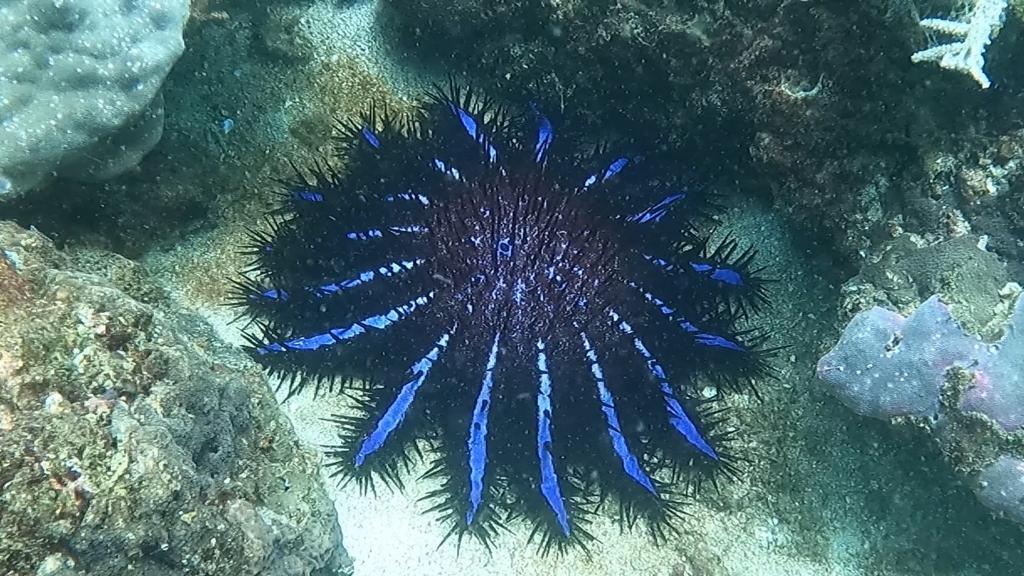
6. Illegal and destructive fishing practices, pollution, overfishing, weather changes and warming seas have all become significant threats to coral growth at the locations mentioned earlier. Navy divers clean and remove entangled fishing nets, polythene bags, plastics and ‘Crown of Thrones’ weekly. Preserving coral ecosystems requires international cooperation, marine protected areas, sustainable fishing practices and efforts to address climate change.
7. The waters of Sri Lanka are home to an exclusive range of marine creatures and attractive sites for diving with a range of shipwrecks, marine protected areas and reef areas around the seaboard of the island. As seen elsewhere, artificially created dive sites or seabed museums would attract more diving enthusiasts. An underwater museum is a fascinating and innovative concept where art, artifacts and installations are submerged in the ocean, creating a unique space where divers can experience cultural and artistic works in an entirely different environment. These museums often aim to raise awareness about marine conservation, biodiversity and the importance of protecting our oceans while offering novel ways to engage with adventure.
8. In this endeavor, the Sri Lanka Navy (SLN) constructed underwater museums with the concept of sculpture parks off Trincomalee, Galle and Nilwella as a naval social responsibility project. The locations were selected after consultations with relevant authorities considering the environmental impact and safety of navigation in coastal waters and fishing areas. In Trincomalee underwater museums, various concrete structures were placed that depicted the history and culture of the country at 60 feet depth. This is the most significant underwater museum constructed in the country and it consists of 58 No’s of sculptures, which have 1- 8 tonnage. Fish breeding has already taken place in the museum area and the Command Diving & Salvage Unit commenced a coral replantation project near the exact location to enhance the tourist attraction while preserving and conserving the marine environment. SLN efforts are expected to improve dive tourism on the country's eastern coast, marine environmental conservation and support the fishery industry.
9. Further, SLN has sunk or placed many shipwrecks within Trincomalee harbour to enhance fish breeding grounds and those wrecks have been remarkable diving sites for the local and foreign diving communities, with the growing of several marine habitats. The sunken wrecks by the Navy are as follows.
a. Sinking of Old Barge near to Elephant Island.
b. Sinking of Ex SLNS Balawatha and Ex SLNS Dakshaya near to Elephant Island.
c. Refloating and repositioning of World War II ship wreak SS Sagaing at Elephant point was took place in year 2018.
d. Sinking of 02 no’s of Ex Fast Attack Craft near Elephant Island in year 2020.
e. Sinking of Ex SLNS Jagatha and Ex SLNS Weeraya close proximity of the Underwater Museum at 20 meters in year 2020.
10. In conclusion, coral and seabed conservation is vital for the health of marine ecosystems and the well-being of our planet as a whole. These ecosystems provide essential services from supporting biodiversity to protecting coastal communities from many natural
disasters. However, human activities, such as pollution, overfishing and climate changes, have been threatening their survival. To ensure the future of these underwater treasures, collective efforts in sustainable practices, stronger policies and increased public awareness are essential. By taking immediate action to protect coral reefs and seabeds, we can safeguard the delicate balance of marine life and maintain the health of our oceans for generations to come.