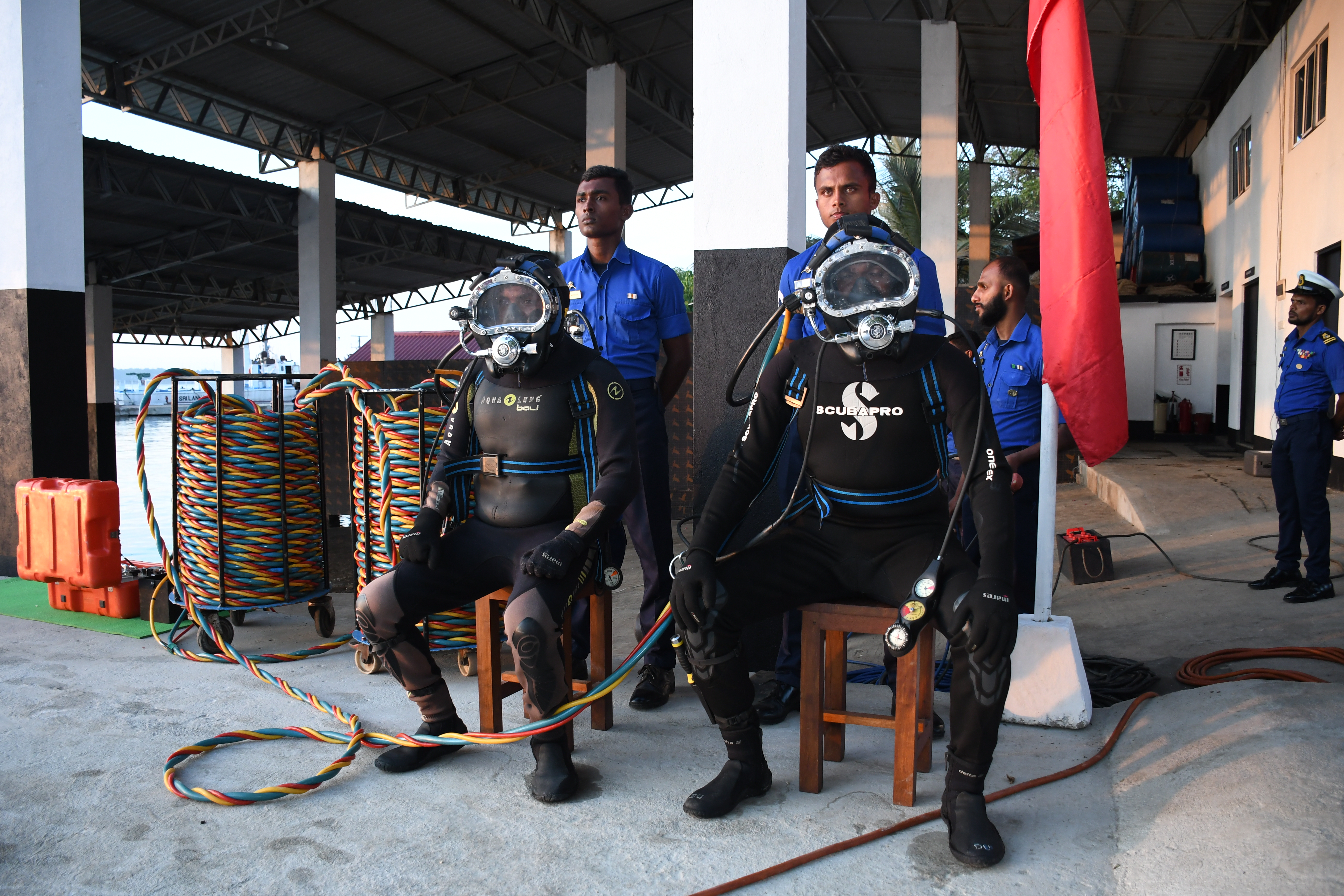
After Retirement
For many in the SLN Diving and Salvage Unit, retirement begins a new journey. Armed with specialized skills, discipline, and a commitment to service, these divers transition from military life into civilian roles where their contributions continue to make a significant impact. The experience they bring, from underwater rescue to technical diving, remains valuable across multiple fields. This article celebrates the post-service careers and achievements of retired Navy divers, shedding light on the new roles they take on and the skills they bring to the broader community.
Leveraging Unique Skills in Civilian Roles
Retired Navy divers are well-equipped with rare and highly valued skills in civilian sectors. Their technical expertise, coupled with rigorous training, has opened opportunities in various industries, including:
• Maritime Security and Private Diving Operations:
Many retired divers find roles in maritime security, working with private security firms or companies to ensure safety and security on the seas. Their expertise in underwater security, ship inspections, and salvage operations makes them ideal candidates for these positions.
• Environmental Conservation and Marine Science:
Retired divers' knowledge of marine ecosystems allows them to participate actively in conservation efforts. Some divers work with environmental organisations or research institutes to conduct reef assessments, marine clean-ups, and underwater ecological surveys, contributing to marine preservation and sustainable practices
.• Underwater Construction and Engineering:
The skills learned in the Diving Unit’s technical diving courses, including underwater welding, construction, and maintenance, apply to civil engineering projects. Retired divers often work on underwater infrastructure projects, such as bridge foundations, pipelines, and harbour construction, providing expertise that ensures safe and efficient project execution.
• Public Safety and Emergency Response:
Many Navy divers continue to serve the public by joining local emergency response teams. Their experience in underwater rescue, lifesaving, and crisis response is invaluable in flood rescues and disaster recovery, where they assist in rescue operations and the recovery of critical infrastructure.
• Underwater Archaeology and Heritage Preservation:
With knowledge gained from years of working in submerged environments, some retired divers collaborate with archaeological teams on underwater heritage projects. This includes exploring and preserving historic shipwrecks and submerged cultural sites, essential parts of Sri Lanka's maritime history.
Sharing Knowledge: Training and Mentoring the Next Generation
Many retired Navy divers take on roles as trainers or instructors, sharing their expertise with aspiring Navy divers and civilian divers. Whether training professional divers, teaching at diving schools or mentoring young enthusiasts, retired divers instil discipline, safety practices, and respect for the underwater world in the next generation. This contribution ensures that their legacy of skill and professionalism continues to inspire and benefit others.
Entrepreneurship and Innovation in Diving
Equipped with technical and managerial skills, some retired divers have ventured into entrepreneurship, starting their businesses in commercial diving services, dive tourism, or
marine equipment sales. These enterprises provide employment opportunities, support local communities, and foster a greater appreciation for Sri Lanka’s marine environment.
Challenges and Rewards in Civilian Life
Transitioning from military to civilian life is not without its challenges. The structured and disciplined environment of the Navy differs significantly from civilian workplaces, and adapting to new norms and expectations can be difficult. However, the resilience and adaptability that divers develop during their service often help them navigate these changes successfully.
For many retired divers, the sense of purpose and duty remains strong, and they often find that their post-service careers allow them to continue contributing to society in meaningful ways. Their work, whether in public service, private industry, or entrepreneurship, is a testament to the enduring spirit of Navy divers and the invaluable skills they bring to every role.
Conclusion: A Legacy of Service and Commitment
The contributions of Sri Lanka Navy divers extend far beyond their years of active duty. Their expertise and dedication continue to benefit the nation in countless ways, from ensuring public safety to advancing scientific knowledge and fostering sustainable practices. As we celebrate the 60th Anniversary of the Diving and Salvage Unit, it is fitting to recognise the retired divers who have carried forward the values of the Navy into their post-service lives, embodying a legacy of honour, courage, and lifelong commitment to service.