As the Sri Lanka Navy’s Diving and Salvage Unit prepares to celebrate its 60th anniversary, it is essential to reflect on some of the most defining moments of the unit’s history. Among the most notable of these is the remarkable feat carried out by our team in the aftermath of the devastating 2004 Indian Ocean tsunami. This event tested our resilience, leadership, and unwavering commitment to our nation’s recovery efforts.
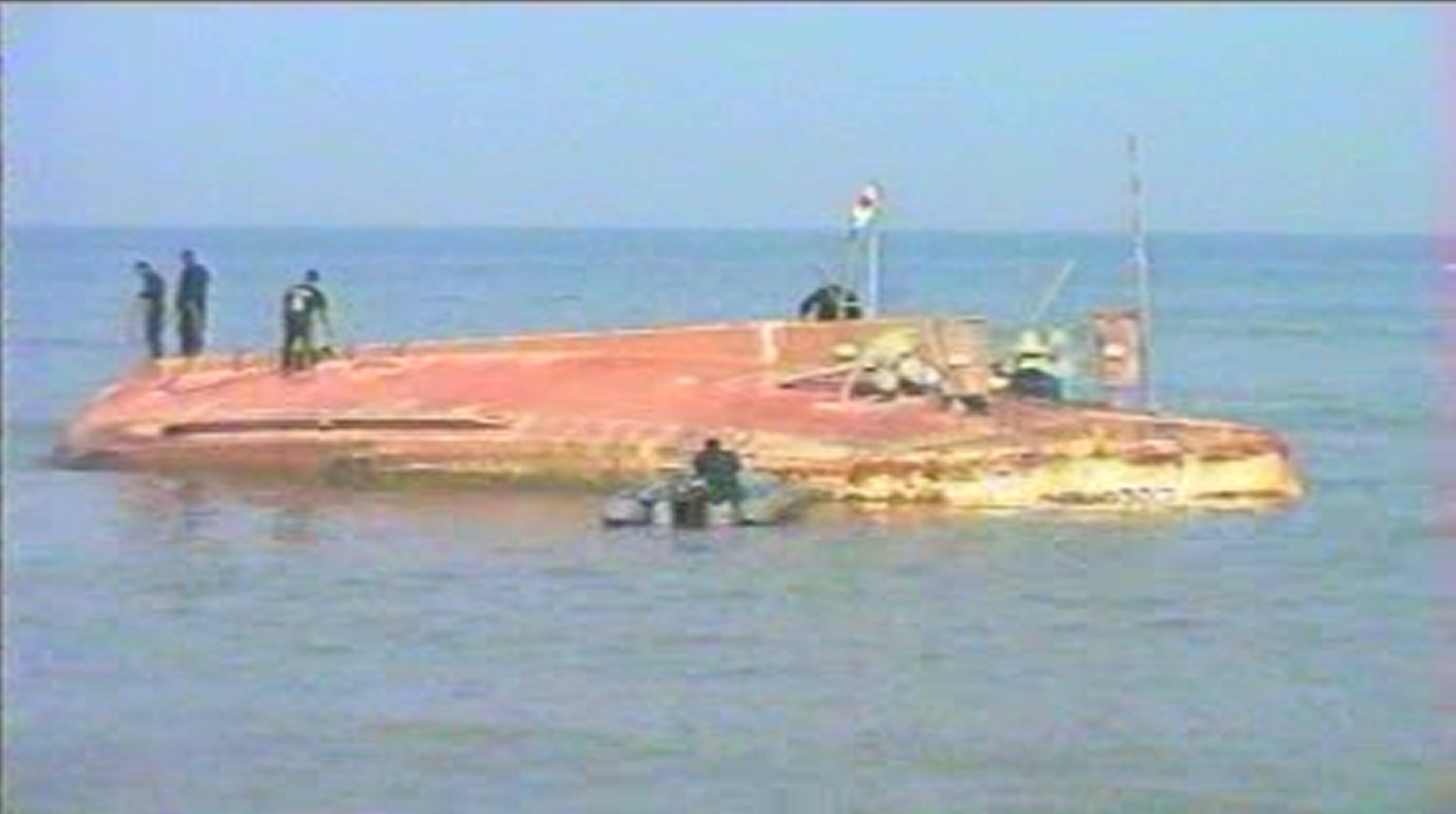
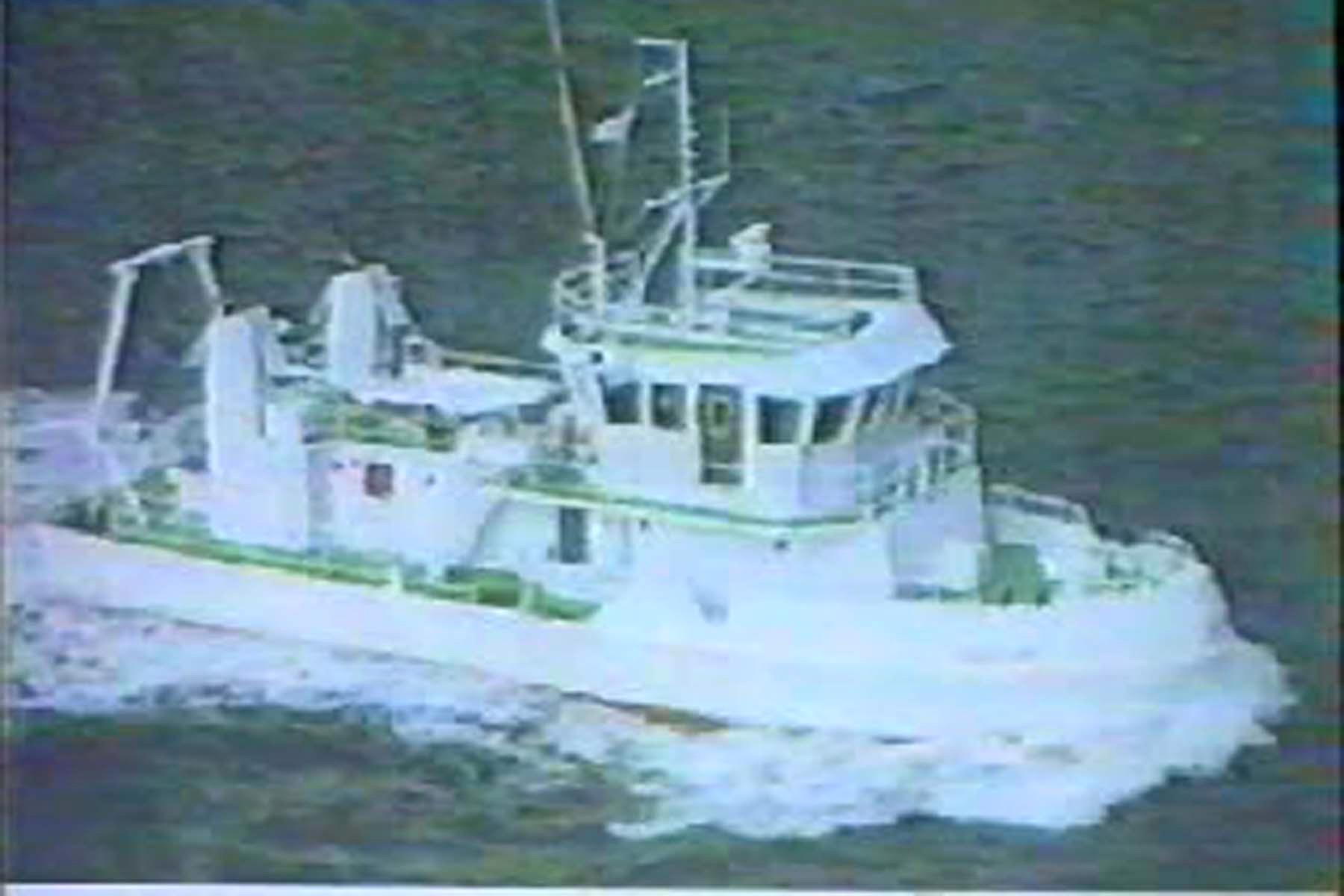
On the morning of December 26, 2004, Sri Lanka was struck by an unprecedented natural disaster—the tsunami that ravaged the coastal regions and claimed thousands of lives. The waves also inflicted severe damage to infrastructure, including the sinking and grounding of ships along the coast. One such vessel was the NARA survey vessel Sayuri, which was washed ashore and overturned at Beruwala on the southwest coast of Sri Lanka.
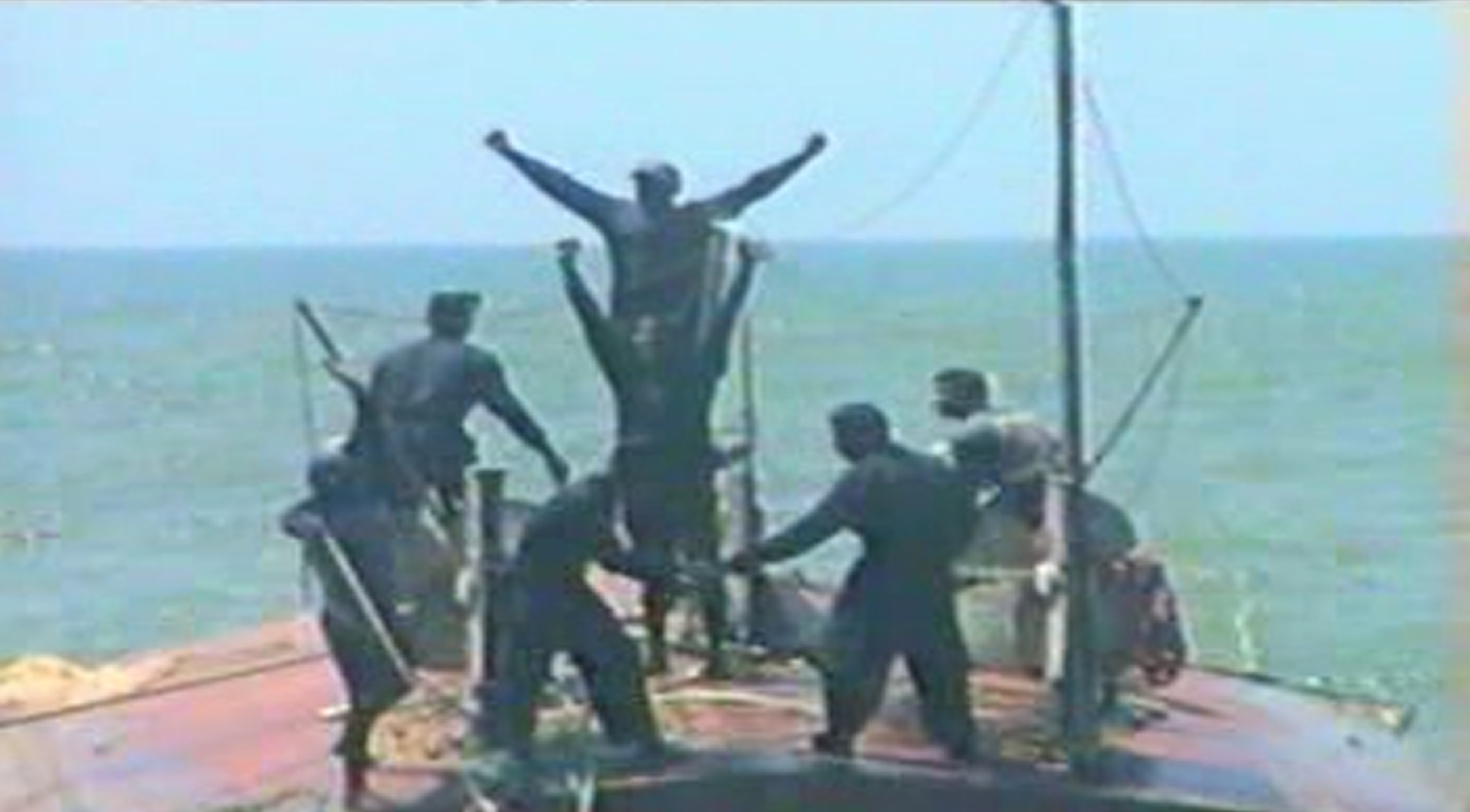
As a Lieutenant Commander and as the Officer in Charge of the Diving and Salvage Unit of the Western Naval Command at that time, I was entrusted with the task of leading the operation to salvage the Sayuri. The vessel had been tipped over, its top side buried in the sand, with only the bottom and keel visible. The salvage operation would require not only expert diving skills but also immense resourcefulness, as we had to use whatever materials were available to carry out the task.
The owners of the vessel had initially sought the help of private salvage companies, but the costs were prohibitively high. Therefore, the Sri Lanka Navy stepped in, under the leadership of then Captain P.H. Silva, who was the Director Naval Training, and with a team of skilled divers from the Western Naval Command.
Our team’s mission was to clear approx, 1000tonnaged wreckage from Beruwala beach, salvage the Sayuri, and tow it to Colombo, all while minimizing costs and utilizing limited resources. Our preparations began on December 31, 2004, without a proper shelter or advanced equipment, yet with a steadfast resolve and commitment to the task at hand. We worked day and night, often in challenging conditions, to ensure the success of the operation.
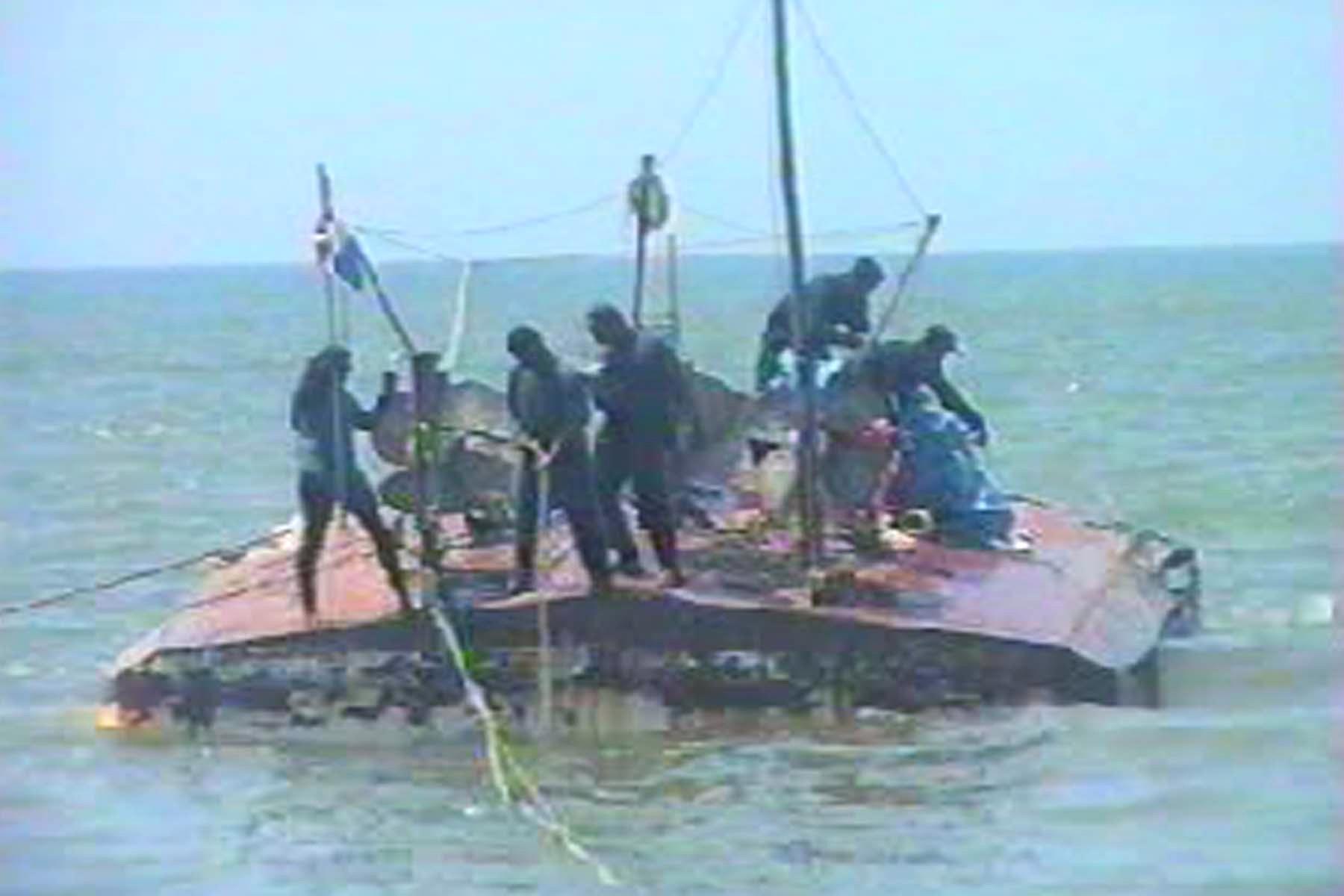
The first step involved inspecting the vessel and assessing how we could create enough buoyancy to lift and tow the Sayuri. Since there was not enough depth for traditional lifting techniques, we began by sealing all possible compartments of the vessel, including tanks and hatches, with whatever materials were available. We patched holes, sealed goose necks, and pumped out the stagnated water from inside the ship. Additionally, we rigged barrels to provide some buoyancy to the vessel.
Despite the limited resources, the determination of our team, including Leading Divers AHSD Susantha, SSK Dewage, SGS Silva, Diver KAWC Kodikarachchi, Diver BDS Kumara, and Diver R Wickremasinghe and Diver WPNR Weerasinghe, ensured that the operation continued without a pause. After ten days of continuous effort, we successfully inflated the sealed compartments, and slowly, the vessel began to float, still upside down.
With the help of the Sri Lanka Ports Authority’s dredging vessel Diyakowla, we began towing the Sayuri toward deeper waters. Over the next 20 hours, we managed to tow the vessel all the way to Colombo Harbour, keeping it upside down as we went. Once in Colombo, we worked with Colombo Dockyard Limited, using a lifting crane to upright the vessel and secure it at a dry dock berth.
In the end, the Sayuri was successfully salvaged and handed over to the NARA authorities. What made this operation extraordinary was that we did all this with no specialized salvage equipment and with very few personnel. By using locally available materials and minimizing costs, we not only salvaged the vessel successfully but also saved NARA a significant amount of money that would have been spent on private salvage companies
This operation stands as a testament to the spirit of Sri Lanka Navy's Diving and Salvage Unit. It showcases how, even in the face of adversity, our team displayed exceptional leadership, resourcefulness, and commitment. We were able to contribute significantly to the nation's recovery, clear a crucial part of the beach, and save public resources all in a matter of days.
As we celebrate the 60th anniversary of the Sri Lanka Navy Diving Unit, it is stories like these that we should remember and share with the next generation of divers and salvage experts. The challenges we face in this line of work are never predictable, and our resources may be limited at times. But it is our dedication, teamwork, and resourcefulness that ultimately define us as a unit.
To the current and future members of the Diving and Salvage Unit, take inspiration from the actions of your predecessors. Whether faced with an emergency, an uncertain environment, or a seemingly impossible task, remember that what we have achieved in the past is a reflection of what we can achieve in the future through courage, leadership, and teamwork. The 2004 tsunami operation was one such moment, but as we move forward, there will always be new challenges awaiting us. And I have no doubt that this unit will continue to meet them with the same excellence that we have always demonstrated.
Happy 60th Anniversary to the Sri Lanka Navy Diving and Salvage Unit. Here's to the future of our proud legacy.