Historical Overview
The Catalina was an iconic, American-built amphibious aircraft used extensively for reconnaissance, anti submarine warfare (ASW), and convoy escort during World War II. This specific aircraft, Service ID Y 78, belonged to RAF 321 Squadron.
The Catalina departed from Sigiriya Air Force base in the pre dawn hours of 09th December 1943. While heading east, approximately four minutes after crossing the coast, the port engine suffered a critical failure. The pilots executed an emergency sea landing in severe rain and strong winds. The aircraft immediately ruptured its hull upon impact with a large wave and sank within hours. Remarkably, despite the violent landing the entire crew of 11 survived and rowed to shore after 16 hours.
Diving Experience
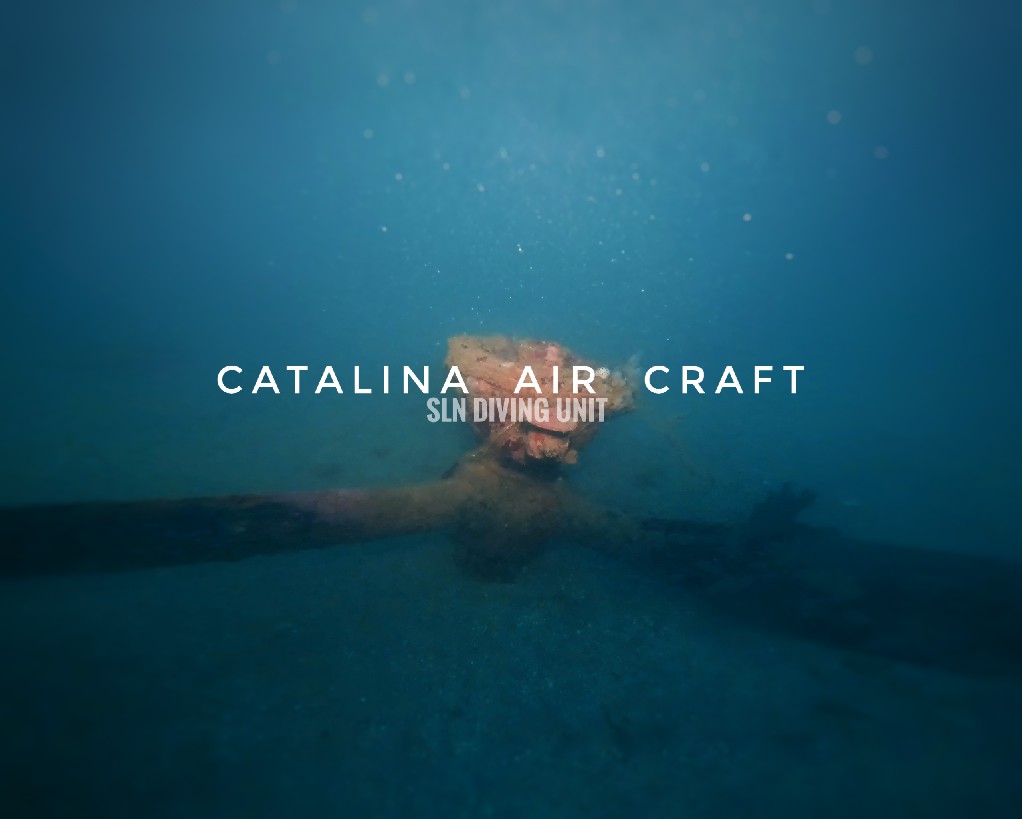
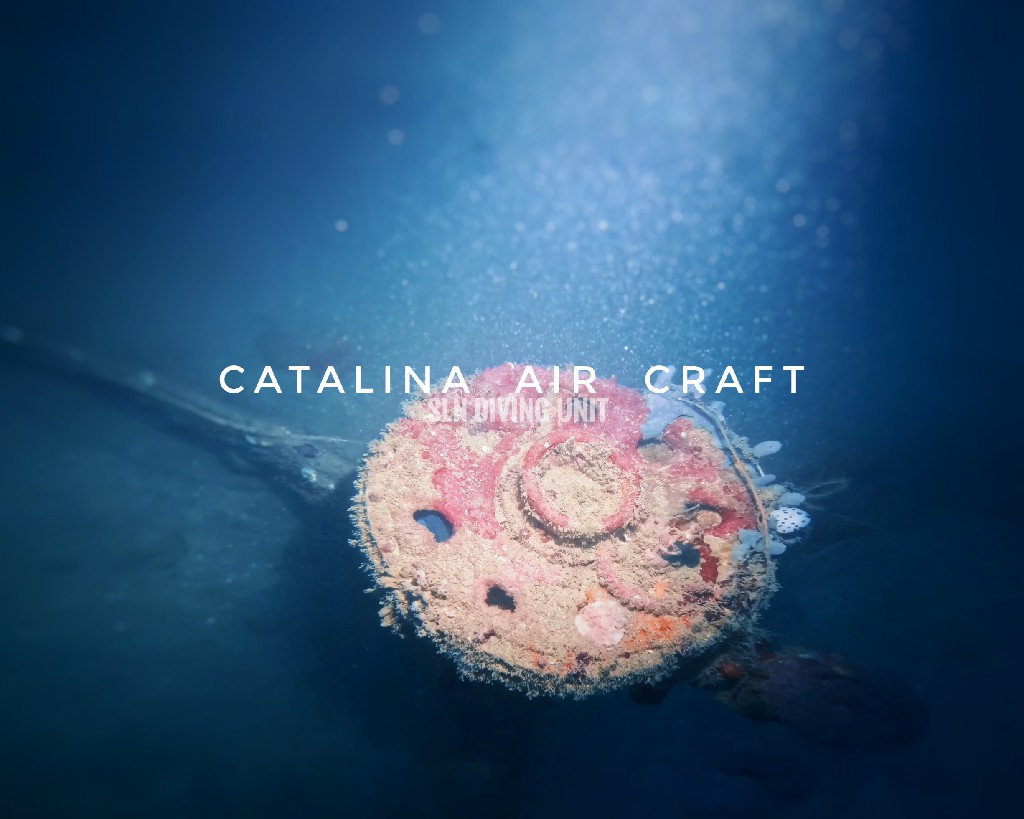
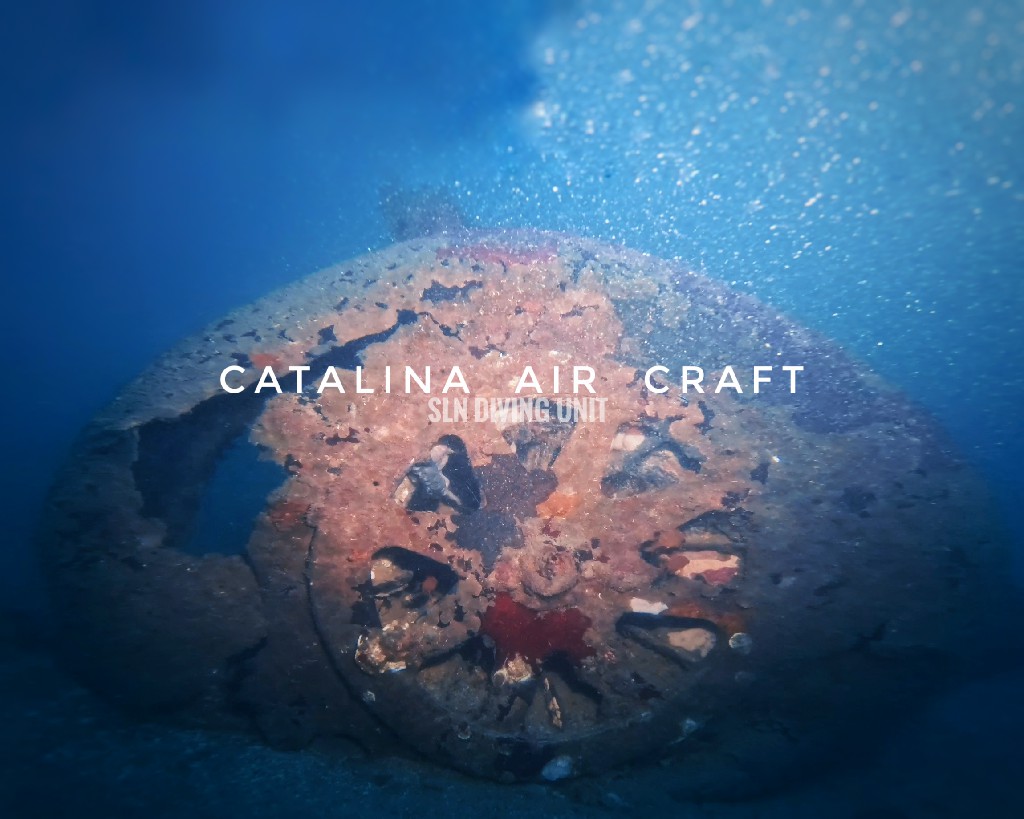
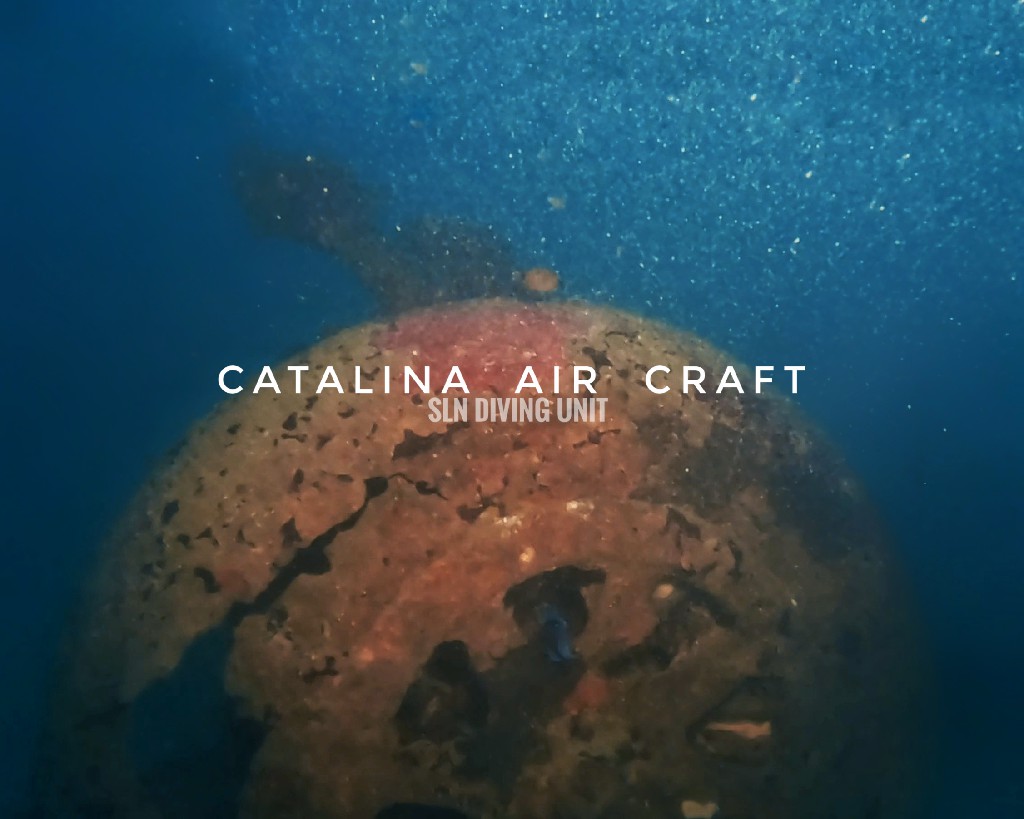
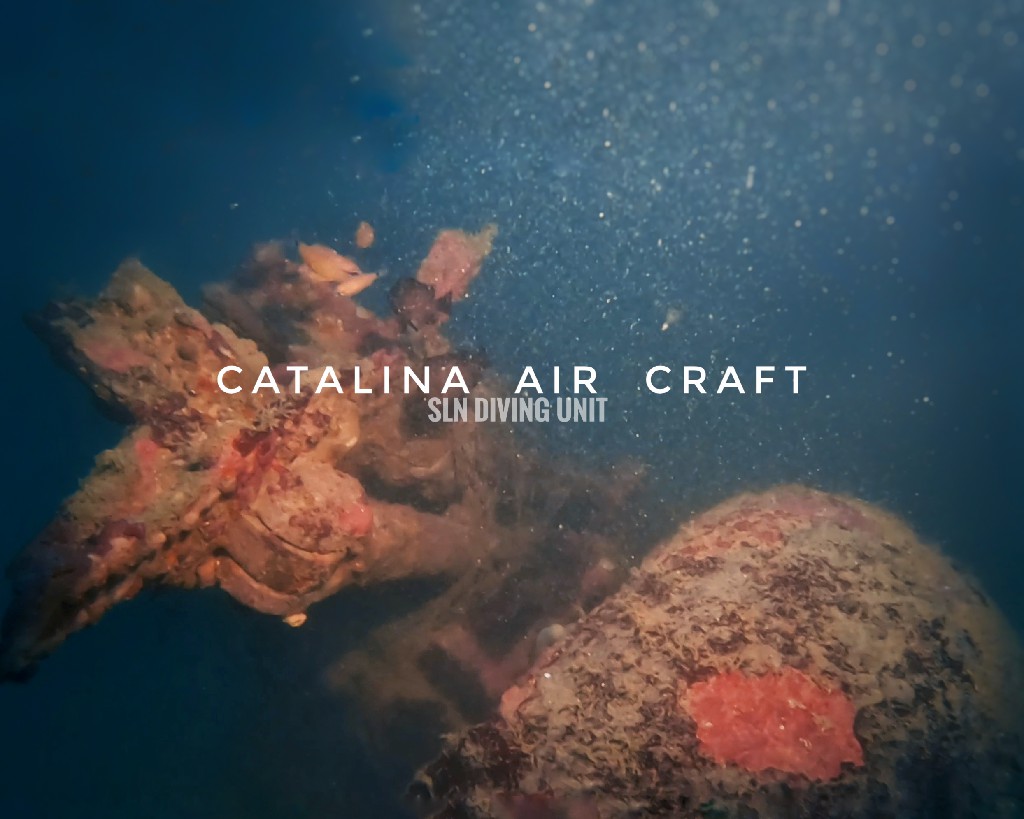
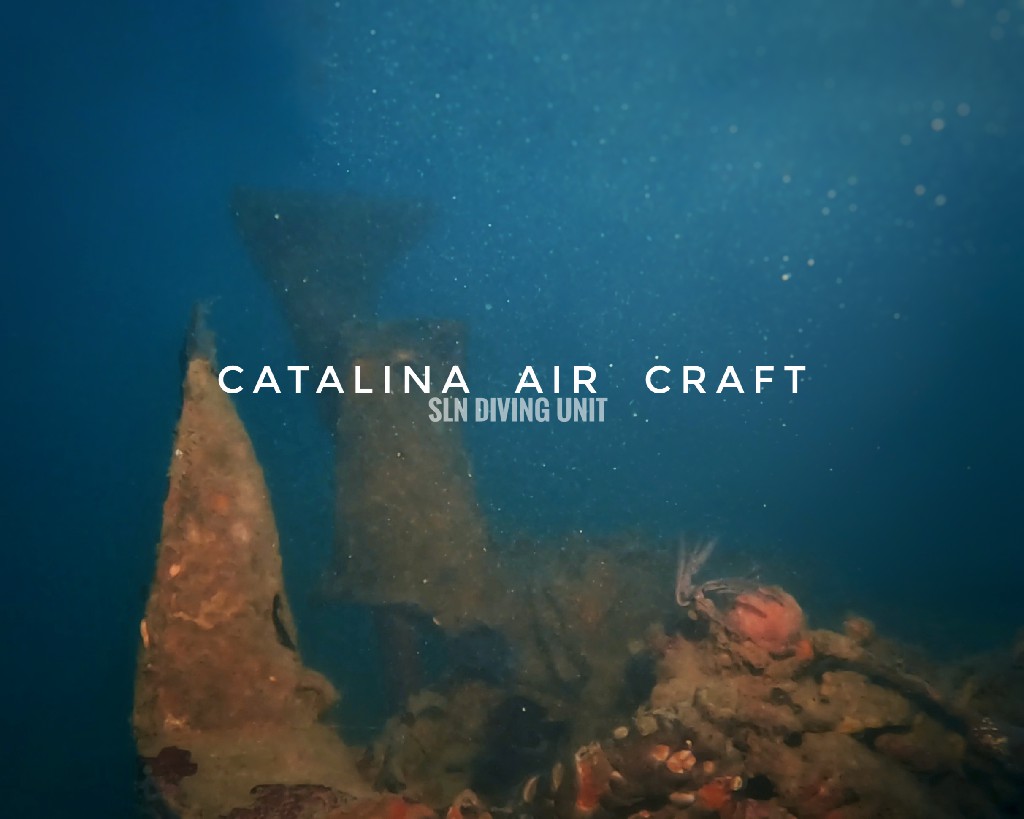
The wreck rests in deep water and remains a relatively well preserved crash site. The wreckage includes recognizable wing sections, parts of the main fuselage and the twin engine mounts. Visible scattered remains include the large retractable main wheels and the two main propeller structures.
The general outline gives a clear indication of the aircraft's size and build. Although the fuselage is damaged and the structure is separated, many of the key structural parts remain in place on the sandy seabed, confirming the site as an aircraft crash site.